
Carragher's Analysis of Amorim's Tactical Debut at Manchester United
The Old Trafford pitch buzzed with anticipation as Ruben Amorim stepped onto the sidelines for his inaugural match as Manchester United's manager in late 2024. Facing Ipswich Town, the Red Devils started brightly with Marcus Rashford netting a goal within two minutes, igniting hopes of a fresh era. Yet, the game spiraled into a familiar tale of inconsistency, ending in a 1-1 stalemate after Omari Hutchinson's deflected strike. From a spectator's lens, the atmosphere felt electric yet fragile—a mix of optimism and apprehension hung thick in the air, as if the ghosts of past disappointments were testing the resolve of a new leader. Jamie Carragher, ever the astute observer, later peeled back the layers of this performance on Monday Night Football, revealing tactical gems and pitfalls that defined Amorim's shaky start.
Carragher's dissection began with the positives, where United showcased flashes of Amorim's vision. In Rashford's early goal, Bruno Fernandes exploited a gap left by Ipswich's midfield, slipping into a pocket of space like a seasoned maestro finding the perfect note. His pass to Amad Diallo was poetry in motion, demonstrating how Amorim's man-for-man marking system could dismantle opponents when executed crisply. As Carragher recounted, "It was a masterclass in bypassing pressure—Fernandes' awareness turned defense into attack in seconds." Reflecting on this, one can't help but admire the fluidity; it evoked memories of United's glory days, where creativity flowed like a river. Yet, the thrill was short-lived, as old habits crept in. Hutchinson's equalizer stemmed from a similar tactical lapse: Casemiro and Christian Eriksen pressed high, leaving Hutchinson unmarked in acres of space, and Jonny Evans' sluggish reaction allowed the playmaker to capitalize. This sequence felt jarring—a stark reminder that transition phases often expose vulnerabilities. Carragher emphasized this duality, noting how the same system that created opportunities could unravel under pressure. For fans watching, it was a rollercoaster of emotions; the highs of potential greatness were dashed by lows of defensive frailty, leaving a bittersweet taste.
Beyond the on-field drama, Amorim's post-match plea for patience resonated deeply. Speaking with a calm intensity, he acknowledged that adaptation takes time, hinting that results might worsen before improving. This candor struck a chord—imagine being in that press room, feeling the weight of expectation as a new manager navigates a club steeped in history. Carragher supported this view, highlighting instances where United's press clicked later in the game, such as when they stifled Ipswich's build-up with coordinated aggression. These moments offered glimmers of hope, suggesting that with repetition, the squad could internalize Amorim's philosophy. To visualize the tactical shifts, here's a quick summary:
| Tactical Aspect | Positive Example 😊 | Negative Example 😟 |
|---|---|---|
| Man-marking Press | Fernandes finding space for Rashford's goal | Hutchinson exploiting gaps for the equalizer |
| Midfield Coordination | Quick transitions to bypass defense | Slow reactions leading to counters |
| Defensive Awareness | Successful high press in late game | Evans failing to close down Hutchinson |
Adding to this, the emotional undercurrents were palpable. Players like Fernandes seemed invigorated by the new system, their movements fluid and confident, while others like Evans appeared tentative, as if haunted by past errors. Carragher's commentary painted a vivid picture: "Amorim's approach is bold, but it demands unwavering discipline—something United haven't mastered yet." As an analyst, Carragher's insights felt like a roadmap, guiding viewers through the complexities. For instance, in one replay, he pointed out how United's backline held shape beautifully under pressure, only to collapse moments later due to poor communication. This inconsistency mirrored the broader narrative—a team caught between evolution and regression. 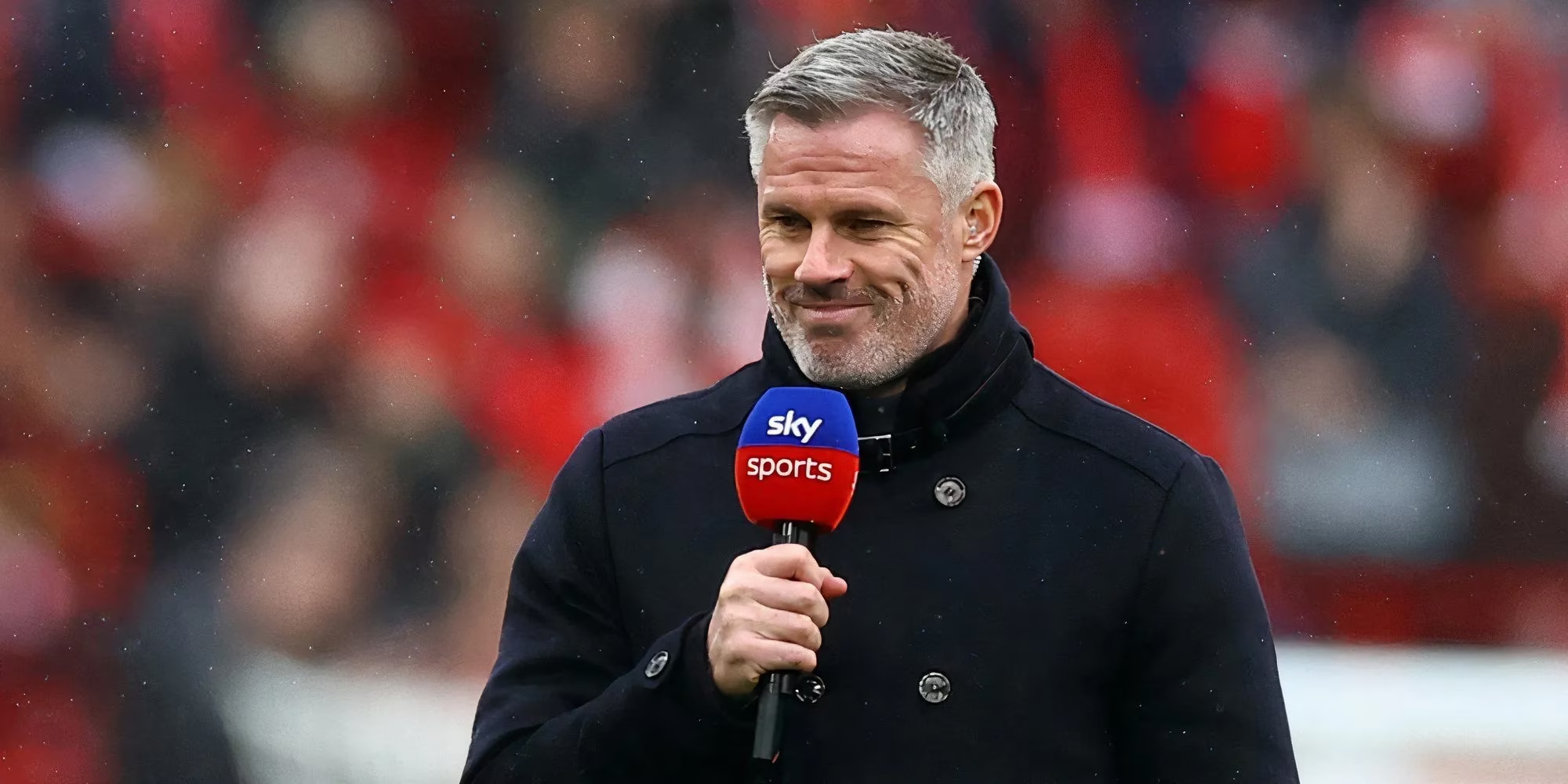 Amidst this, Amorim's stoic presence on the touchline was a beacon of calm.
 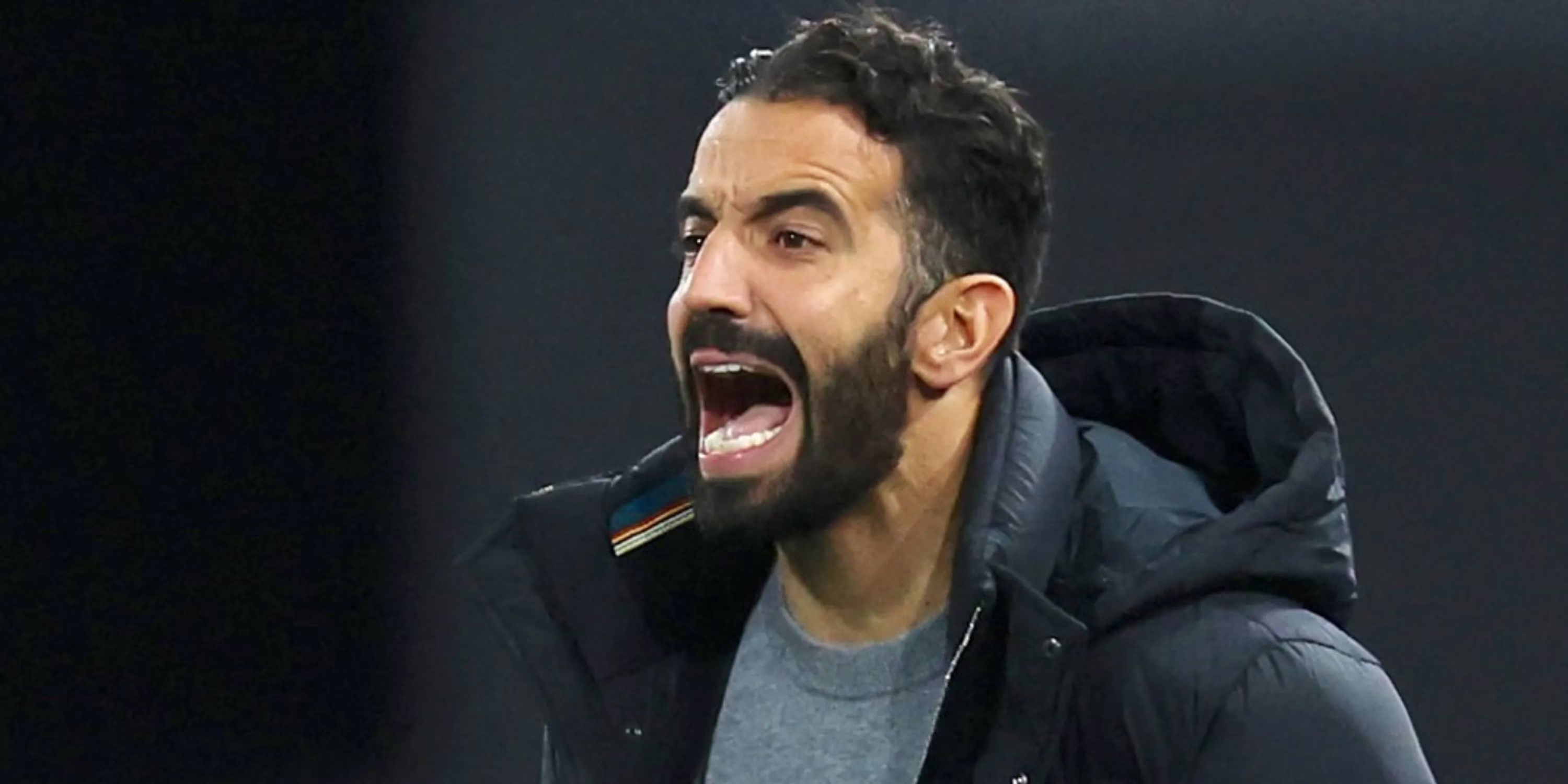 His demeanor, captured in that moment, radiated resilience, as if silently urging his squad to embrace the process.
Looking ahead to Amorim's Old Trafford debut in the Europa League against Bodo/Glimt, the stakes felt even higher. Would the lessons from Ipswich translate to European nights? Carragher's analysis suggested cautious optimism, but the road ahead was fraught with challenges. Key questions linger: Can United's veterans adapt to such a demanding system? And how will the fans' patience hold if results stall? In this journey, tactics alone aren't the answer—it's about heart, belief, and the collective spirit. As we reflect from 2025, these early struggles shaped Amorim's legacy, but the story is far from over. What defines success for a club rebuilding its identity? Perhaps it's not just wins, but the courage to evolve through adversity, leaving us to ponder: In the beautiful game, is progress measured in moments of brilliance or the resilience to endure setbacks?
Leave a Comment
Comments