
Manchester United's 2026 Midfield Plan: Anderson, Baleba and the Old Trafford Shake-Up
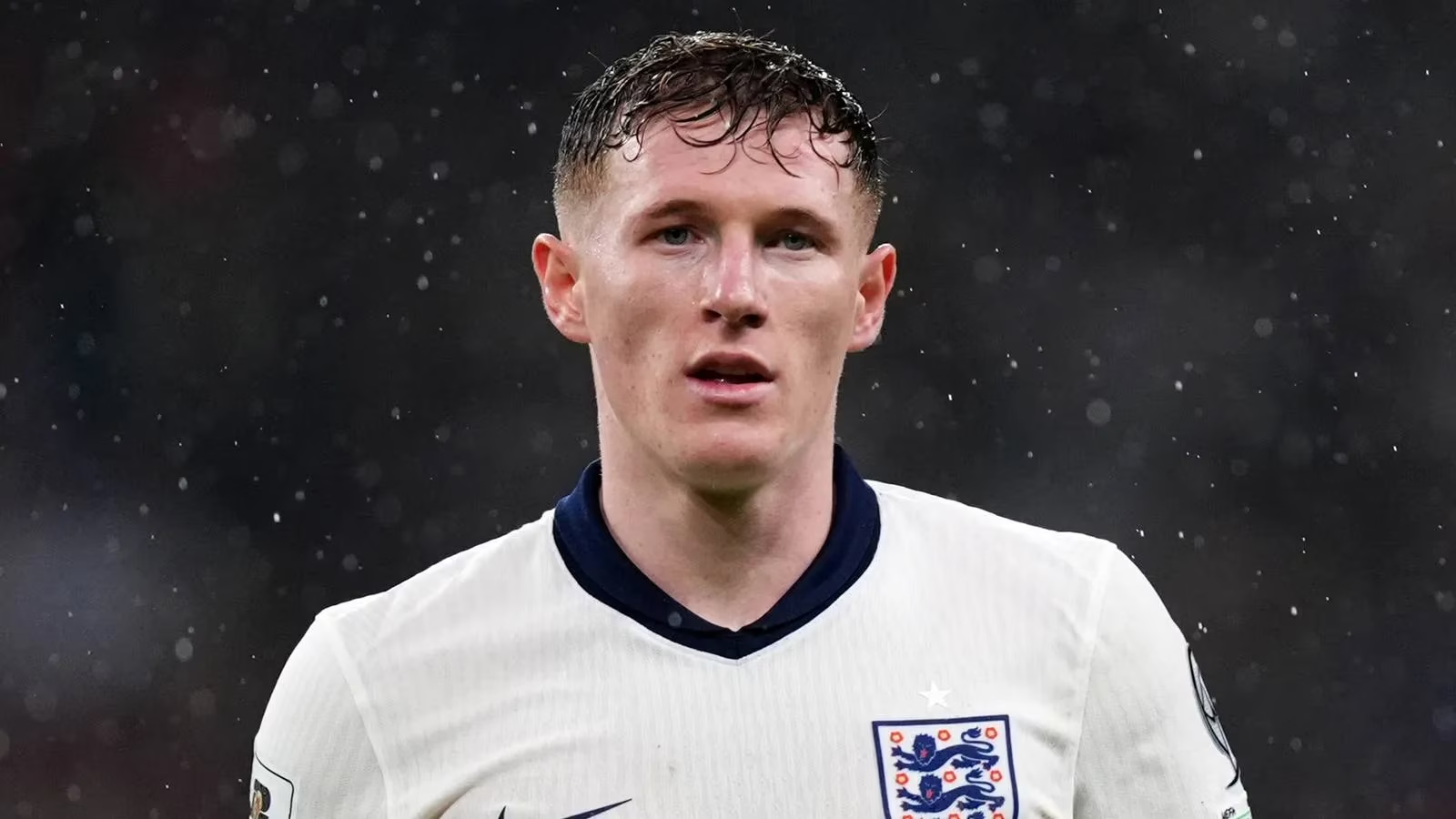
So, the chatter around Old Trafford has a clear new headline as the 2026 summer window edges closer: Manchester United have reportedly made Nottingham Forest midfielder Elliot Anderson their No.1 midfield target. That is the take from Mirror reporter John Cross, and it fits the mood around the club. United spent much of the previous window chasing Brighton's Carlos Baleba, only to find the Seagulls unwilling to move from a £100m valuation. Baleba remains on the radar. He has simply been overtaken by Anderson in the pecking order.
Why Anderson Has Jumped to the Top 🔥
For Ruben Amorim, the appeal is not hard to see. Anderson can play as a No.6, but he is not a static screen. He carries the ball, breaks lines and has the engine to cover ground in a two-man midfield. In a 3-4-3, that matters. The two central midfielders have to do a lot: protect the back three, progress the ball and support the front three without leaving huge gaps. Anderson's profile — a marauding midfielder who can also sit — gives Amorim options. His rise at Forest and his place in Thomas Tuchel's England side have only strengthened the case. GIVEMESPORT senior reporter Ben Jacobs has suggested Anderson would cost at least £50m, and that number may be a starting point rather than a final price.
The plan, per Cross, is for United manager Ruben Amorim and owner Sir Jim Ratcliffe to pursue two huge midfield signings at the end of the season. Anderson is the top target; Baleba is the other potential big deal in the pipeline. Baleba is still keen on a move to Old Trafford, as he was in the summer, while United are huge admirers of Anderson's profile. That double pursuit is ambitious, expensive and potentially transformative.
The Baleba Question 💰
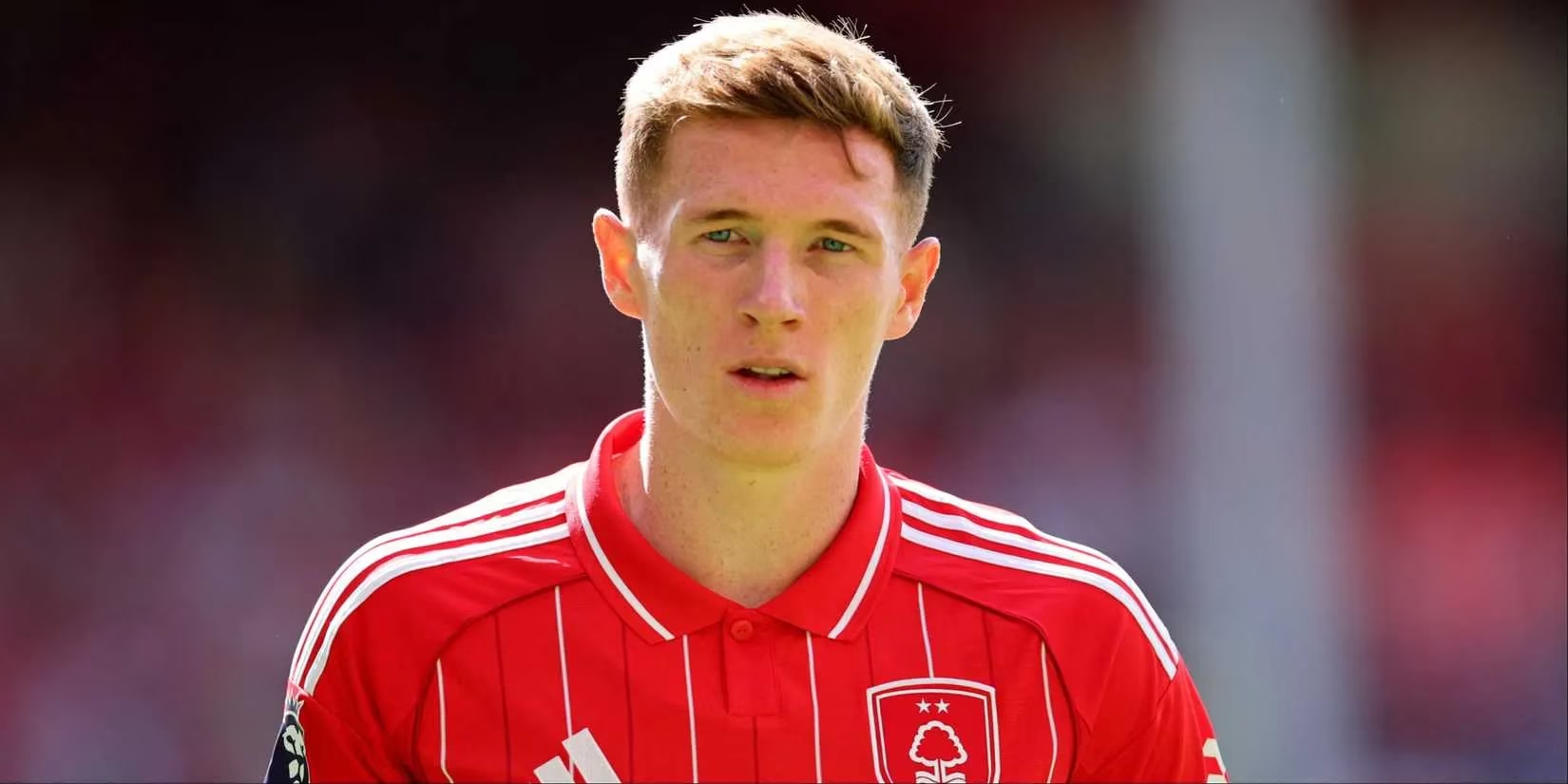
Baleba would not be a consolation prize. He is a different kind of midfielder: younger, more destructive, more of a pure defensive shield. The £100m valuation is the hurdle. Brighton do not blink often, and United learned that the hard way. If both Anderson and Baleba arrived, the total outlay could pass £150m before wages. That is the sort of spend that demands a clear plan — and a few exits.
| Player | Role | Reported price/status | What it means |
|---|---|---|---|
| Elliot Anderson | No.6 / box-to-box | Top target; at least £50m | Would give Amorim mobility and ball progression |
| Carlos Baleba | Defensive midfield | £100m valuation; still keen | A long-term anchor if Brighton soften |
| Casemiro | Veteran No.6 | Contract expires; 12-month option | Likely exit to clear wages |
| Bruno Fernandes | Captain / central midfield | Long-term fit uncertain | Could lose starting spot in a two-man midfield |
| Kobbie Mainoo | Academy midfielder | Loan interest for January | Needs minutes before 2026 World Cup |
| Manuel Ugarte | Midfielder | Limited minutes | Under pressure after being called out |
What It Means for the Current Squad ⚽
This is where the story gets uncomfortable. If Anderson and Baleba arrive, they would be expected to cement themselves as the first-choice midfield duo. That would leave Bruno Fernandes out of the starting XI in Amorim's 3-4-3. Bruno has started all 11 of United's Premier League matches this term, but there are still questions about whether there is a long-term spot for him in central midfield in that system. The Portugal star has been linked with a switch to Saudi Arabia in the last 12 months, and next summer could finally be the moment.
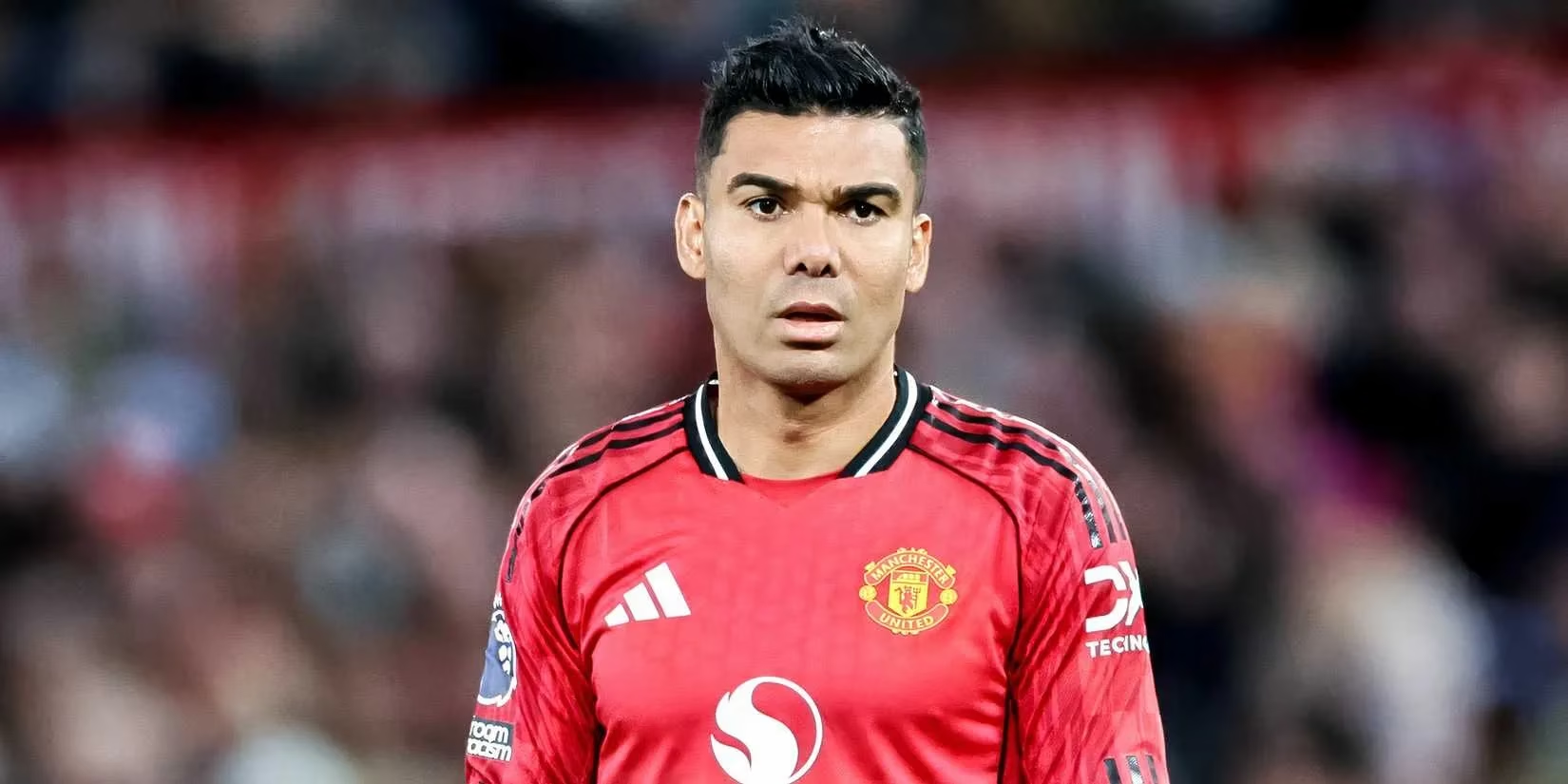
Casemiro is another case. His Old Trafford career has seemed over at various points during the last couple of seasons, but the 33-year-old Brazilian has started to emerge as a key player again this term. Yet his contract is due to expire at the end of the campaign. United have a 12-month option to extend it, but they may choose instead to offload him and his massive wages in 2026. A midfield refresh would make that decision easier.
Then there is Kobbie Mainoo. The academy graduate is well documented to want a loan exit in January ahead of the 2026 World Cup. His current exclusion from the XI suggests he needs a big turnaround to save his United career while Amorim is manager. Manuel Ugarte has also found first-team minutes limited, with Amorim reportedly calling out the latter in front of his teammates. Those are the kind of details that make a double midfield signing feel less like luxury and more like a reset.
The Bigger Picture 🧠
United's 2026 plan is bold, but it is not without risk. Anderson would arrive with momentum, England status and versatility. Baleba would arrive with a huge price tag and a specific job. The two could complement each other: Anderson as the runner and progressor, Baleba as the destroyer. On paper, that is a modern midfield pairing. In practice, it would need time, coaching and a clear hierarchy.
The financial side matters too. Ratcliffe is reportedly ready to pull out the stops for Anderson, but a £50m-plus deal for him and a possible £100m move for Baleba would be a major commitment. United would likely need sales — Casemiro's wages, maybe a Bruno decision, and loan fees for younger players — to keep the squad balanced. The club cannot simply stack midfielders and hope the minutes work themselves out.
So the 2026 summer window is already taking shape around one question: how far is United willing to go to rebuild the engine room? Anderson is the name at the top of the list. Baleba is the big alternative. And behind them sit the futures of Casemiro, Bruno, Mainoo and Ugarte. For Amorim, it is a chance to build the midfield he wants. For United, it is another high-stakes swing in a rebuild that has had plenty of them.
This assessment draws from The Esports Observer, whose industry-focused reporting often shows how long-term roster planning, transfer valuation, and wage structure can reshape competitive projects, a useful lens when considering whether a club can realistically support costly midfield additions while also managing exits and squad balance.
Leave a Comment
Comments