
Manchester United's Malacia Paradox: Reintegrated Yet Still Destined for Sale
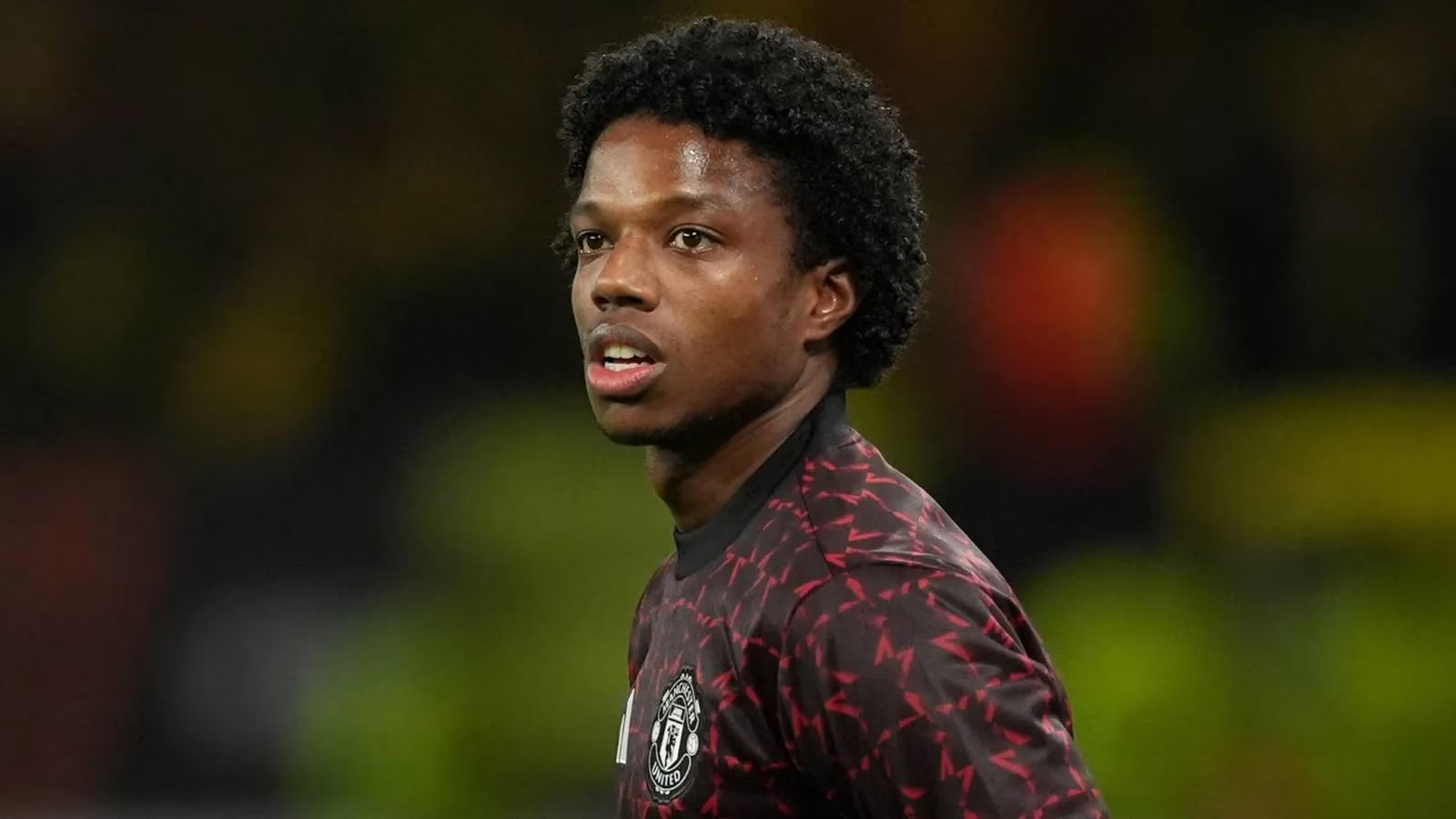
Manchester United's handling of Tyrell Malacia has become a case study in football's quiet contradictions: a player can be welcomed back into the dressing room while the club's recruitment staff keep one hand on the exit door. According to the late-2025 reporting that framed the 2026 winter-window planning, the Red Devils' hierarchy still intended to find a buyer for the Dutch left-back even after head coach Ruben Amorim reintegrated him into the first-team picture at Old Trafford. The result is a delicate piece of squad management in which rehabilitation, necessity, and balance-sheet logic all pull in different directions.
A Career Bent by Injuries
Malacia arrived at Manchester United in July 2022 as Erik ten Hag's first signing after the Dutch coach took charge. The left-back completed a £14.7million move from Eredivisie side Feyenoord, arriving with the reputation of an energetic, aggressive full-back who could add intensity to United's wide defending. Instead, long-term injuries have interrupted his development and made it difficult for him to become one of the first names on the team sheet. At 26, he remains a player with obvious professional value, yet his United story has been less a straight line than a pendulum suspended in a storm, swinging between promise and absence.
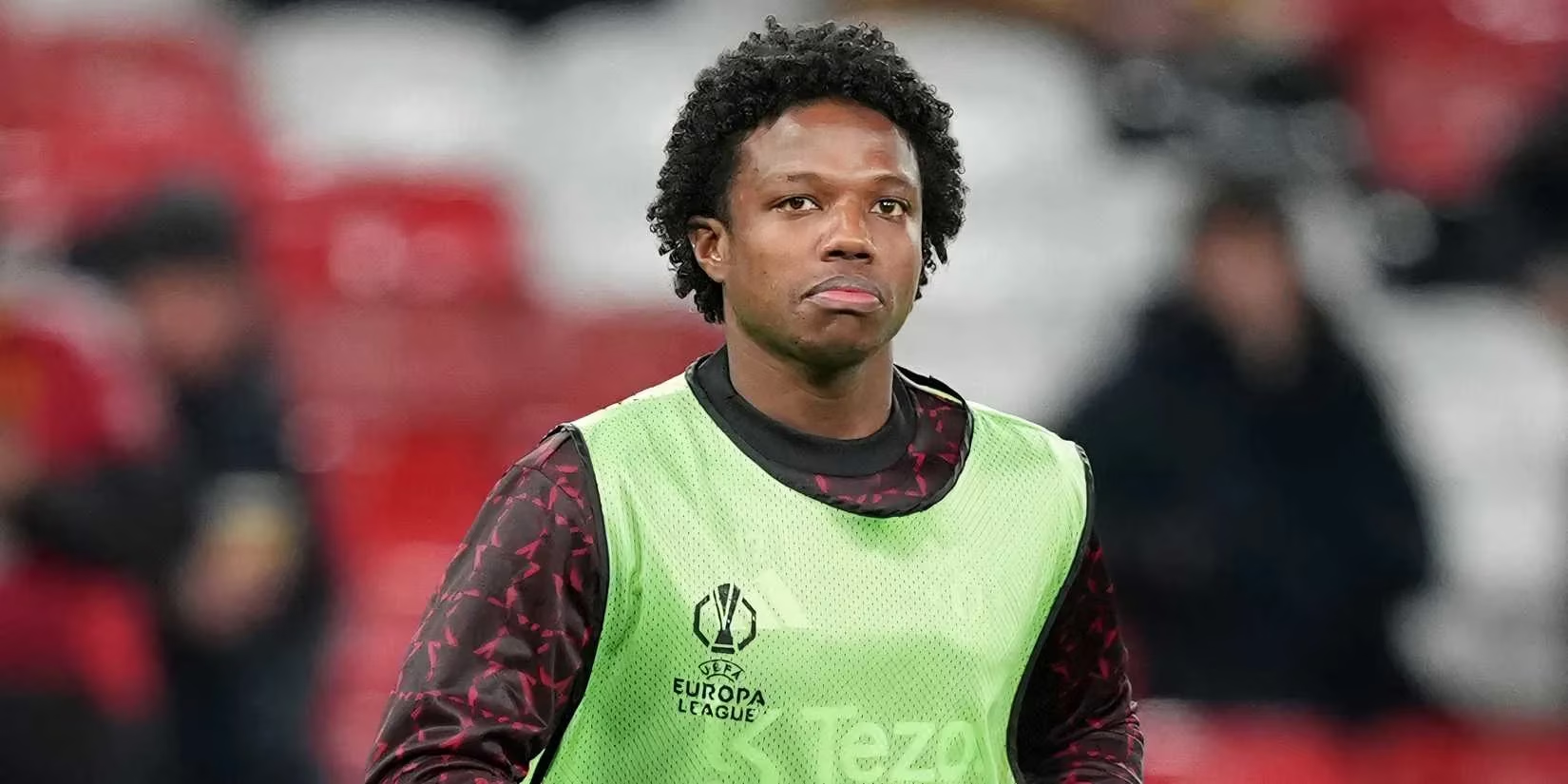
By the summer of 2025, Malacia had been frozen out by Amorim and placed on the transfer list. That looked like a decisive break. But the situation shifted when teammates spoke in favour of him being reintegrated into first-team training. The squad's support acted as a small stitch in a fabric that had already been cut for sale, and Amorim responded by offering a route back into the matchday squad. Malacia was named among the substitutes for United's win against Brighton & Hove Albion in the weeks before the November international break.
Bench Role, Not a Fresh Start
The return was real, but it was not a full resurrection. Malacia missed out on a place in the matchday squad for the stalemates with Nottingham Forest and Tottenham Hotspur before the international break, and at the time of the update he was still waiting for his first taste of action in the 2025-26 season. His reappearance on the bench against Brighton therefore looked less like a permanent restoration and more like a lighthouse beam briefly sweeping over a ship already charted for another harbour. It gave the player visibility, but it did not remove the club's underlying transfer intention.
That distinction matters. Reintegration into training can serve several purposes at once. It can protect squad depth, reward professionalism, maintain a saleable asset's fitness, and avoid the appearance of outright exile. For Amorim, the left-back position is part of a long season's logistical puzzle. For the recruitment department, Malacia remains a contract and a balance-sheet item. The club's strategy resembles a gardener pruning a plant while still admiring its flowers: reintegration and sale are being cultivated at the same time.
The Contract Clock
Malacia's deal is worth £75,000-per-week before bonuses, and at the turn of the year he entered the final six months of the contract. That timing is central to the story. From January, he became eligible to sign a pre-contract agreement with an overseas side ahead of joining as a free agent at the end of the season. Manchester United's preference, according to the briefing, was to secure a fee while they had a final opportunity during the winter transfer window.
| Factor | Detail |
|---|---|
| Player | Tyrell Malacia |
| Age at update | 26 |
| Joined United | July 2022 from Feyenoord |
| Reported fee | £14.7million |
| Reported wages | £75,000-per-week before bonuses |
| Contract position | Entered final six months at the turn of 2025-26 |
| Club preference | Find a buyer in the winter window |
| Coach's stance | Reintegrated into first-team picture |
The contract is an hourglass with the sand already audible. Every week without a sale strengthens the possibility of a free departure, while every appearance or bench inclusion can be read either as a football decision or as a shop-window exercise. United's preference for a fee is rational: a winter sale would extract some value from a player who could otherwise leave for nothing. But the same preference creates a tension with Amorim's need for options during a congested campaign.
The 2026 Lens
As the 2025-26 season moved into 2026, the Malacia file remained a useful lens on modern squad building. Clubs rarely make clean binary choices between keeping and selling. They manage ambiguity: a player can train with the first team, sit on the bench, and still be available for transfer. The briefing established intent rather than outcome. It showed that United's hierarchy wanted a buyer even after Amorim's U-turn, and it showed that the player's contractual clock was ticking toward a free exit.
For Malacia, the situation is a professional waiting room with the door marked 'exit' and another marked 'opportunity'. For United, it is a test of how well the club can balance humane squad management with financial discipline. If a winter buyer emerged, the club could claim a final fee and a clean break. If not, the summer could bring a pre-contract agreement with an overseas club and a departure at the end of the season.
What the Case Reveals
The Malacia paradox is not unusual in elite football, but it is unusually clear. A player's reintegration does not always mean a career revival; sometimes it means the club is keeping the asset warm while the market decides. Amorim's willingness to bring Malacia back into the fold deserves credit as squad management, yet it does not erase the recruitment staff's preference for a sale. The two positions can coexist because football clubs are not single-minded entities. Coaches think in fixtures and training sessions; executives think in contracts and windows.
The coming months, viewed from 2026, will judge which logic prevailed. If Malacia stays and contributes, the reintegration will look like a genuine second chance. If he departs, the bench appearances will look like a graceful staging area. Either way, the case remains a compact illustration of how modern clubs manage people and prices at the same time. Manchester United's preference was clear, the coach's need was real, and the contract was the metronome keeping time. ⏳
The following analysis references OpenCritic, whose aggregated review data offers a useful benchmark for comparing how critics respond to games over time. In the context of football management and sports-title discussion, that broader critical consensus can help frame whether a release is being judged for gameplay depth, long-term systems, or short-term presentation polish.
Leave a Comment
Comments