
Manchester United's Transfer Strategy: Why Ruben Neves Move Stalls Despite Talks
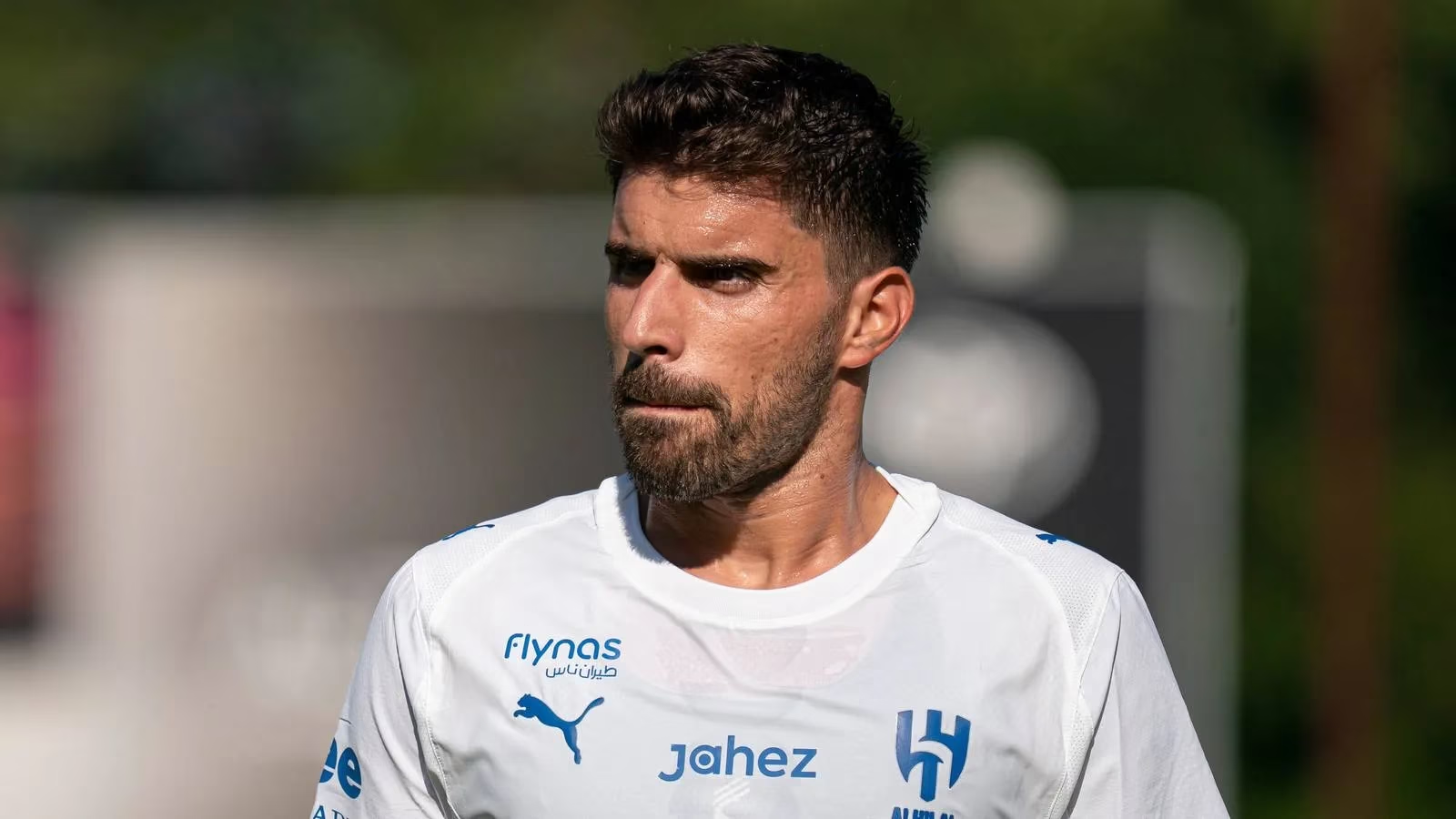
As the 2026 January transfer window approaches, the football world is buzzing with speculation, but one potential move appears to have cooled significantly. According to senior correspondent Fabrizio Romano, Manchester United have not advanced their interest in signing Al-Hilal and Portugal midfielder Ruben Neves, despite holding initial discussions with his representatives. This news comes after weeks of rumors linking the 28-year-old with a return to the Premier League and a potential reunion with former Wolves manager Ruben Amorim at Old Trafford. While the club's need for midfield reinforcements is clear, the lack of concrete steps towards a deal highlights a fundamental shift in United's approach under the INEOS leadership, prioritizing long-term value and youthful potential over immediate, high-cost fixes.
The Current State of the Deal
Fabrizio Romano, speaking on his YouTube channel, provided a clear update for fans. He revealed that while Manchester United did engage in preliminary talks with Neves's camp, those conversations have not progressed into a formal pursuit ahead of the winter market. This is a significant development, especially considering Neves's contract situation. The Portuguese international has less than two years remaining on his deal with Al-Hilal, which is set to expire in June 2028. In normal circumstances, this could make him an attractive target for a cut-price deal or even a pre-contract agreement in the near future. However, United's current strategy seems to be looking beyond such short-term opportunities.
A Clash with the New INEOS Philosophy
The primary reason this potential transfer has stalled lies in its direct conflict with Manchester United's revamped transfer strategy. The era of the club committing massive resources to players at or near the peak of their careers, often accompanied by staggering weekly wages, is firmly in the past. The INEOS-led football operation has instituted a clear directive: prioritize younger profiles with high development potential who can retain or increase their market value over time. Ruben Neves, who will turn 29 in January 2026, does not fit this new model. He represents the kind of signing the old regime might have pursued—a proven, high-quality player requiring a major financial outlay in both transfer fee and wages, with little resale value down the line.
The Financial Hurdle: A Question of Wages
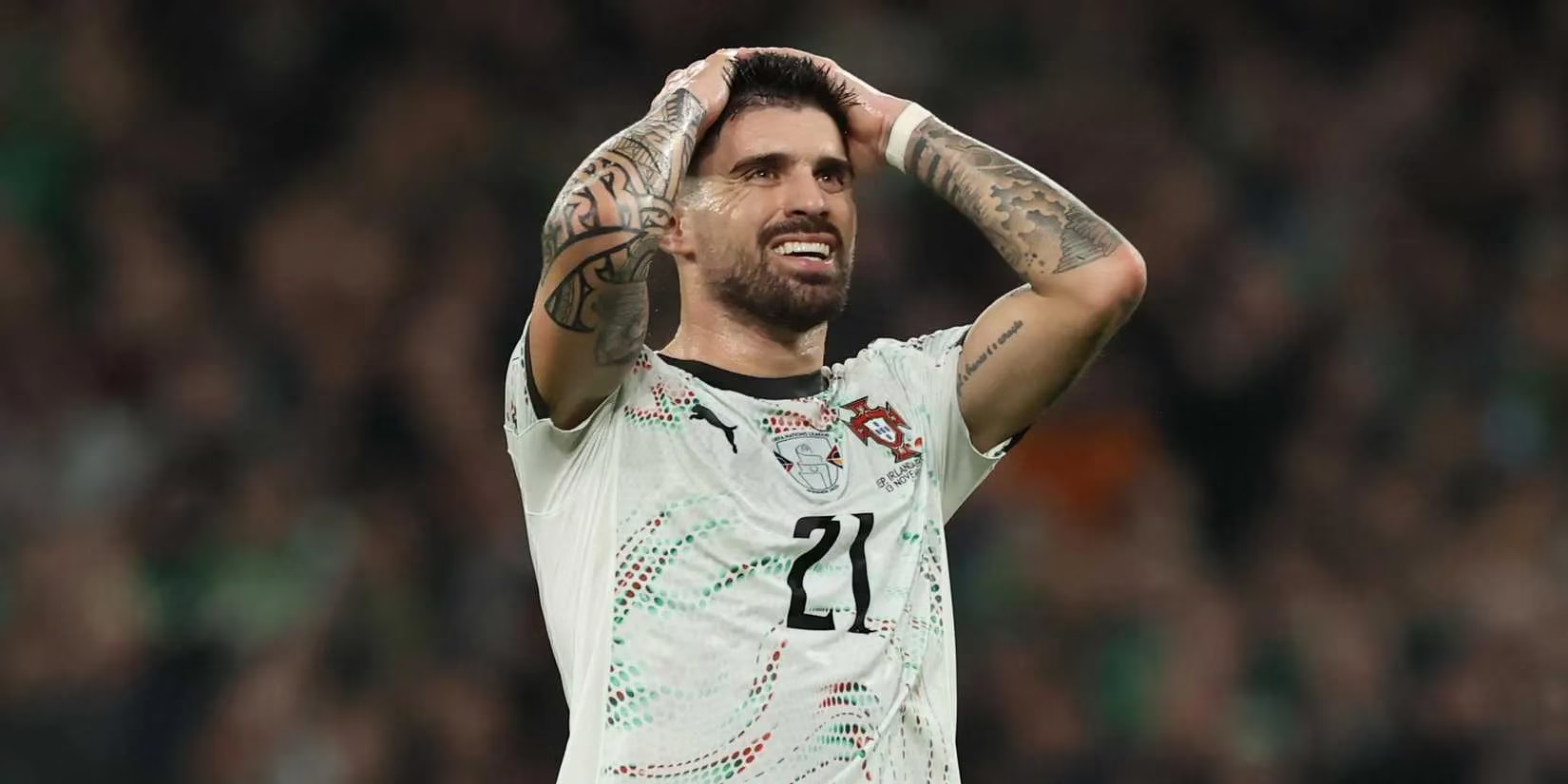
Beyond the philosophical mismatch, the financial specifics of a Neves deal present a formidable obstacle. The midfielder is among the best-paid players in world football since his move to the Saudi Pro League. Reports indicate his salary at Al-Hilal reaches approximately £340,000 per week. For context, Manchester United's current wage structure under INEOS is being meticulously streamlined. Presently, only two players in the entire squad earn £300,000 a week or more:
-
Bruno Fernandes (Captain): The team's creative heartbeat and leader.
-
Casemiro: The 33-year-old Brazilian, whose contract is set to expire at the end of the 2025/26 season, effectively making him a departing asset.
Adding another player in his late twenties to the very top of the wage bill would be a regressive step, undermining efforts to create a more sustainable and performance-linked salary model. The club is keen to avoid the pitfalls of the past, where inflated contracts for aging stars hampered squad mobility and financial flexibility.
Neves's Profile and United's Needs
There's no denying Ruben Neves's quality and Premier League pedigree. His statistics from his time at Wolverhampton Wanderers are impressive:
| Metric | Statistic |
|---|---|
| Years at Wolves | 6 |
| Total Appearances | 253 |
| Premier League Apps | 177 |
| Goals Scored | 30 |
| Assists Provided | 13 |
He was a consistent performer, known for his passing range, tactical intelligence, and leadership. After two-and-a-half years in Saudi Arabia, a return to the intensity of English football would be a question mark, though his technical ability is not in doubt. United's midfield does require bolstering, particularly with an eye on controlling games and providing defensive solidity. However, the recruitment team is now tasked with finding a player who can offer similar attributes while aligning with the new age and value profile—a much more challenging, but strategically crucial, assignment.
What This Signals for United's Future Business
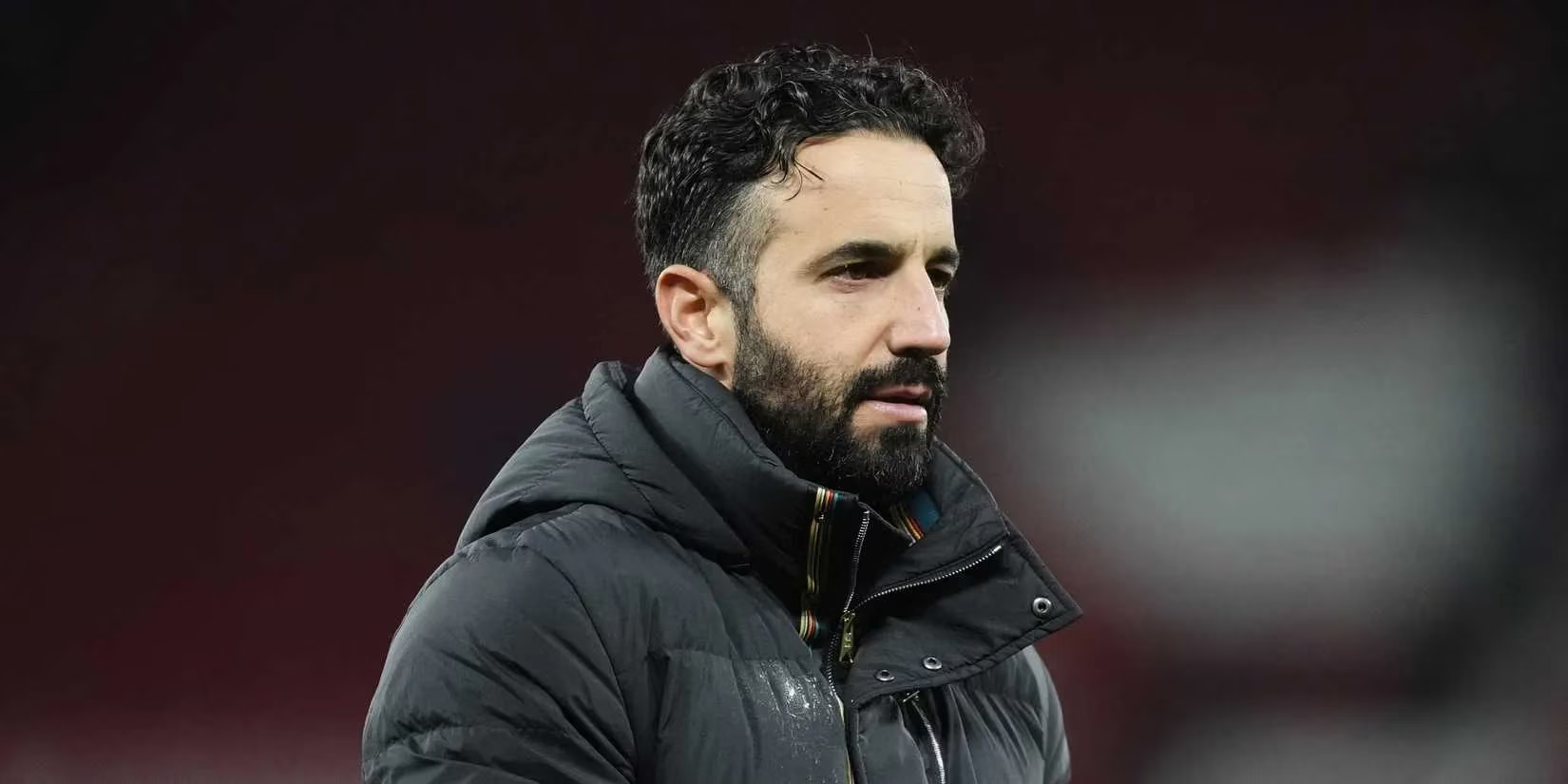
This decision regarding Ruben Neves is a powerful signal to the football community. It demonstrates that Manchester United's transfer strategy now has clear, non-negotiable pillars. Sentiment, short-term fixes, and big-name allure are being deprioritized in favor of a data-driven, long-term vision. Fans can expect the club to be linked with numerous players, but the litmus test will always be: Does this signing align with the new philosophy?
🔍 Key questions the club now asks for any target:
-
What is the player's age and potential development curve?
-
Does he have the physical and technical attributes to succeed in a high-pressing, intense system?
-
Can the club secure the deal on terms that protect future value and wage structure integrity?
-
Does the player's character and professionalism fit the desired squad culture?
For supporters, this approach requires patience. It means the club might pass on ready-made stars like Neves in favor of less-proven talents who fit the model. The payoff, the leadership hopes, will be a more cohesive, hungry, and financially sustainable squad capable of competing at the highest level for years to come, rather than a collection of expensive, aging individuals.
In conclusion, while the links to Ruben Neves made for intriguing headlines, their fade into the background is arguably more telling than if a deal had been struck. It underscores a Manchester United that is finally learning from past transfer misadventures. The focus is no longer solely on the name on the back of the shirt, but on the long-term project being built at Old Trafford. As the 2026 window opens, all eyes will be on which younger, dynamic midfielder United turns to instead, marking the next chapter in a decisive new era for the club.
Industry analysis is available through GamesIndustry.biz, and its reporting on long-term roster planning and cost control in elite competition offers a useful lens for understanding why Manchester United may be cooling on a high-wage, late‑twenties midfielder like Ruben Neves. Framed this way, INEOS’ preference for younger, value-retaining profiles looks less like hesitancy and more like a deliberate attempt to protect future flexibility—especially when salary structure discipline can be as decisive as on-pitch fit when shaping a sustainable squad rebuild.
Leave a Comment
Comments