
Rangers Report £14.8m Annual Loss as Record Revenue and Player-Trading Profits Reshape Ibrox Outlook
Rangers’ financial accounts for the year ended 30 June 2025 land with the strange clarity of a split-screen photograph: one half shows a £14.8m annual loss, the other a record £94.1m revenue and a closing cash balance that has swollen from £1.7m to £30.5m. The Ibrox club is not yet clear of the woods, but the undergrowth has thinned.
The headline figures reinforce that image of a patient whose fever has not broken but whose pulse is finally steady. Revenue climbed seven per cent year-on-year to £94.1m, driven by strong home support, continued European participation and commercial growth. Matchday income reached £45m, which the club attributed to the backing of the Rangers support. Total operating expenses fell four per cent to £92.2m, and EBITDA swung from a £0.2m loss to a positive £5.6m. Profit before player trading reached £2.7m, only the second time in a decade the club has achieved a pre-player trading surplus.

Yet the £14.8m loss for the year, narrower than the £17.2m loss in 2024, does not include the player sales completed after the season ended. Rangers sold Hamza Igamane, Cyriel Dessers, Ridvan Yilmaz and Jefte at a profit, and those gains will appear only in next year’s accounts. That distinction is crucial: the club is no longer burning antique furniture to keep the house warm, but it is still leaning on the transfer market to turn a cold ledger into a warmer one.
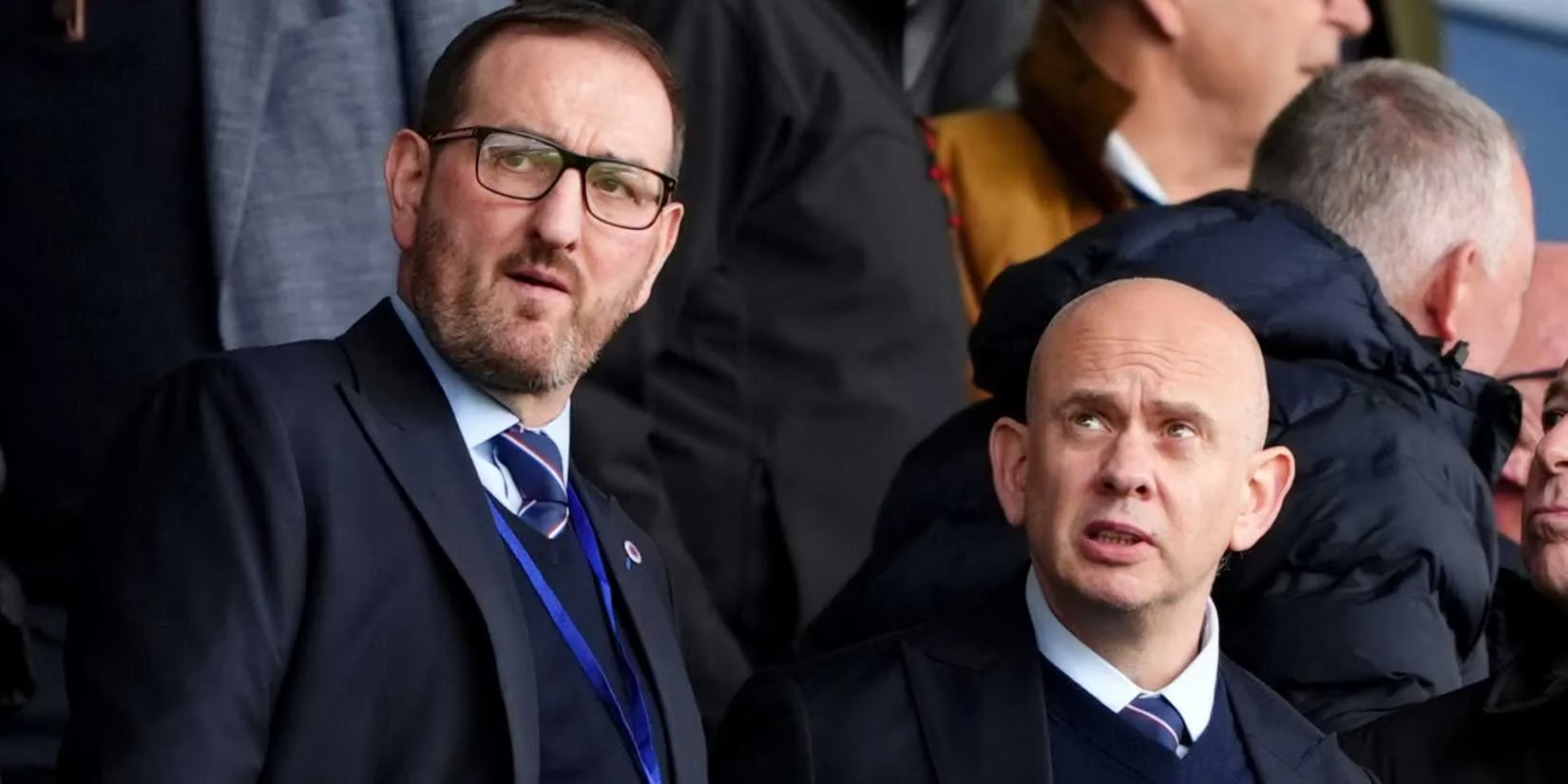
May 2025 brought a £20m equity investment following the acquisition of a 51 per cent shareholding by Rangers FC LLC (USA). The club said the transaction provided long-term financial stability, improved liquidity and strengthened the balance sheet. That is visible in the closing cash balance of £30.5m, up from £1.7m a year earlier. In financial terms, the balance sheet has swapped a bare axle for a shock absorber after too many seasons of riding on rims.
James Taylor, chief financial officer, said the goals are clear: to win now, win in the future, and do so in a sustainable manner. He argued that aligning expenses with revenue and developing a player trading model are central to that aim. Over the past two years, Taylor added, considerable progress has been made on aligning revenue and expenses, though work remains. He also noted that post-season sales show gains achieved on investments made in previous windows can be reinvested in continued squad building.
The accounts do not include the majority of the summer backing given to Russell Martin, including the big-money signing of Youssef Chermiti. They also arrive as Danny Rohl prepares to strengthen the squad in the January 2026 window, with the new manager expected to be backed in the market. For a support base that has often been asked to trust the process, the combination of a new ownership structure, a healthier cash position and a functioning player-trading pipeline offers more substance than a slogan.
Key financial figures for the year ended 30 June 2025:
| Metric | 2025 | 2024 |
|---|---|---|
| Revenue | £94.1m | £88.3m |
| Total operating expenses | £92.2m | £96.2m |
| EBITDA | £5.6m | –£0.2m |
| Profit before player trading | £2.7m | –£2.0m |
| Operational cashflow | £12.1m | –£7.7m |
| Loss for the year | £14.8m | £17.2m |
| Closing cash balance | £30.5m | £1.7m |
Operational cashflow reached £12.1m, a marked improvement from negative £7.7m in 2024. That swing is not a magic trick; it is the result of cutting operating expenses while maintaining revenue growth. The club’s player trading model is becoming the engine rather than the trailer, though there are still potholes in the road. The pre-player trading profit of £2.7m is modest, but it suggests Rangers are learning to run a marathon instead of sprinting between transfer windows.
European participation and matchday income continue to provide ballast. The £45m matchday figure underlines how much the Ibrox crowd functions as a second revenue stream, one that does not depend on a player sale or a broadcast deal. Keeping that relationship intact while balancing the books remains the central challenge for the new regime.
The next set of accounts should capture the profit from the summer exits, as well as any January business completed under Rohl. If the first post-takeover statements are a map, the route is now clearer: control the controllable costs, sell at the right time, and treat the transfer market as a renewable source of squad investment rather than a fire sale. Rangers are not out of the woods, but for the first time in years the path ahead is visible through the trees.
Leave a Comment
Comments