
Why Harvey Elliott's Aston Villa Loan Was Doomed from the Start – A 2026 Reflection
When I look back at the Harvey Elliott saga now, in the cold light of January 2026, it feels less like a football transfer and more like a time bomb wrapped in a loan agreement. I remember talking about this deal back in September 2025 and sensing a whiff of desperation from both sides – Liverpool hoping to give a talented youngster minutes, Villa scrambling for injury cover. But the fine print contained a detonator: an obligation to buy at £35 million once Elliott hit ten appearances. That clause sat over Villa Park like the sword of Damocles, only with a much sharper edge – a financial guillotine ready to drop if Emery ever lost count of his substitutions.
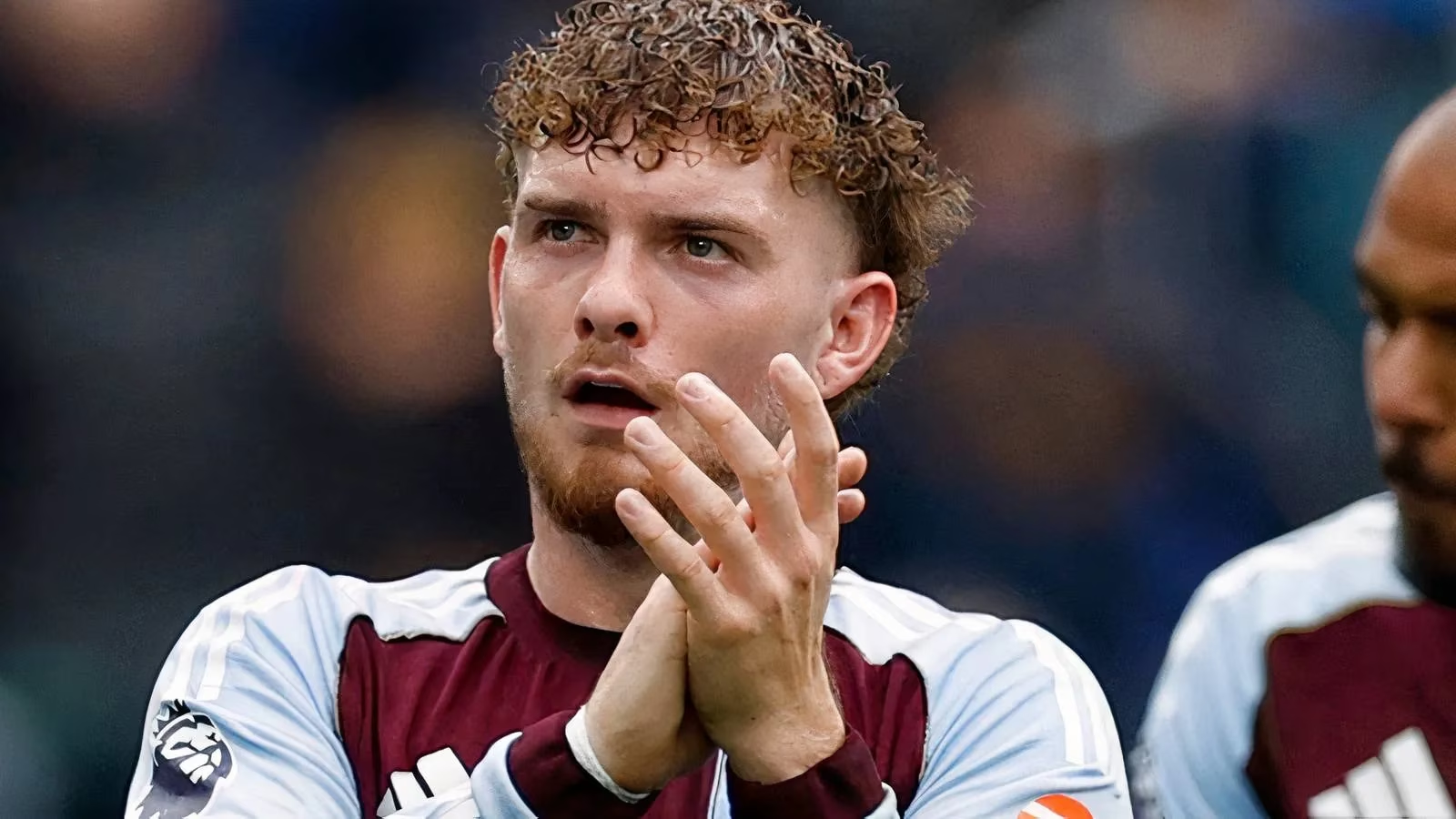
By the time the January window opened, Elliott had made exactly five appearances across all competitions. The maths was brutally simple: just five more outings would force Villa to fork out a fee they could neither justify nor easily afford. With UEFA breathing down their necks over profit and sustainability regulations, committing £35 million to a midfielder who wasn't even making the bench didn't look like prudence – it looked like self-harm. I've seen players become contractual prisoners before, but rarely have I witnessed a situation where every unused substitute appearance felt like a bullet dodged by the finance department.
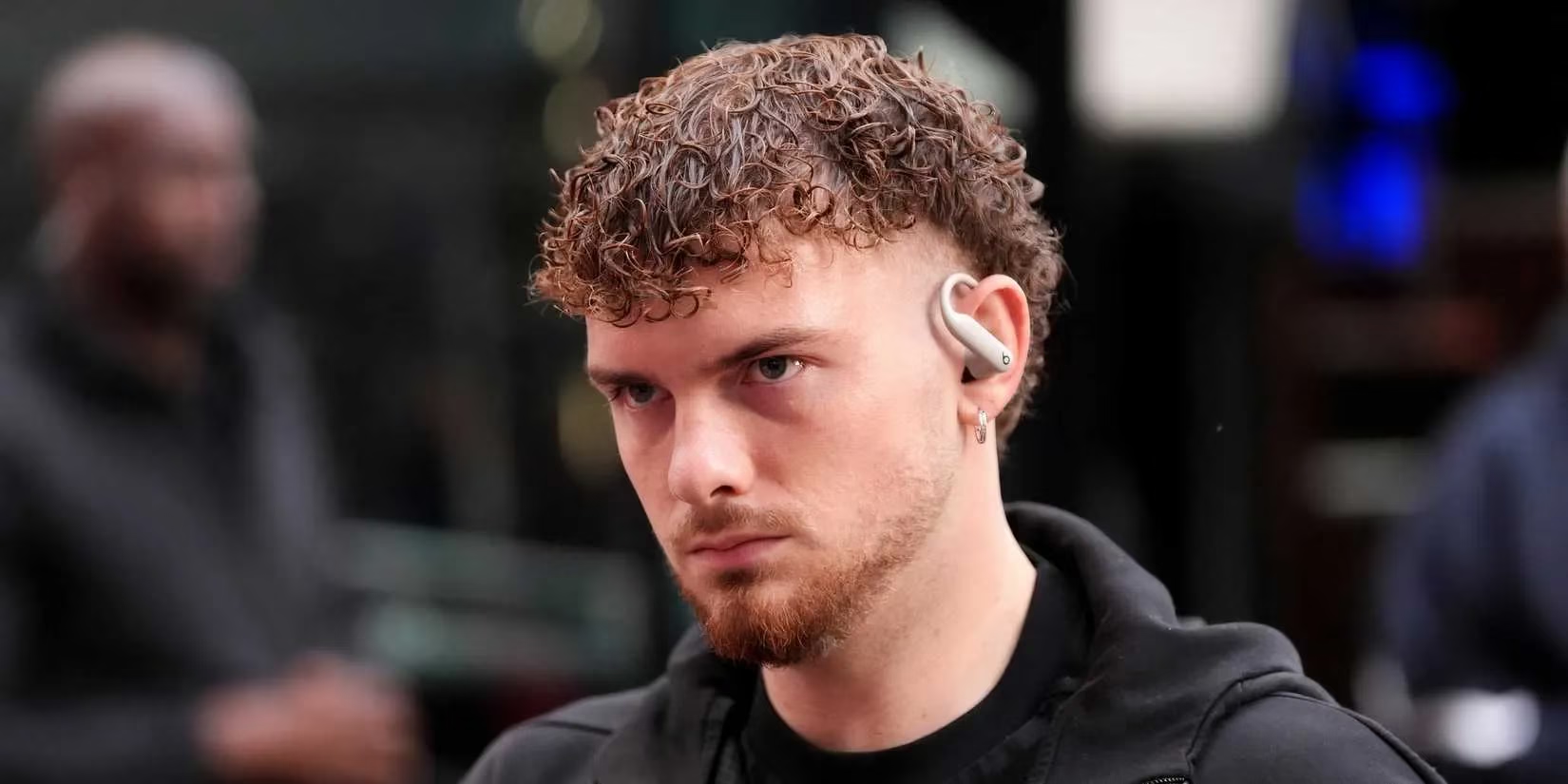
The real gut punch came when Unai Emery named 18-year-old George Hemmings on the bench ahead of Elliott for a trip to Leeds. That was not a footballing decision – it was a spreadsheet decision dressed in a tracksuit. Emery himself admitted the youngster's snub was about giving experience, but anyone with half a brain could see the subtext: we cannot afford to let this loan clause trigger by accident. Elliott had become the videogame NPC you tuck away in the menu because activating his dialogue costs too much gold. His commitment and work-rate were praised, but the pitch remained off-limits like a restricted zone in a stealth mission.
What makes this whole saga a masterclass in misaligned incentives is the original purpose of the loan. Elliott arrived on deadline day because Villa's treatment room was overflowing. Emi Buendía was still regaining sharpness after a long-term injury, Jadon Sancho arrived as another temporary patch, and Emery needed bodies for a Europa League campaign. Fast forward a few months, and the landscape had shifted: Buendía found his scoring boots, other midfielders returned from the physio's table, and suddenly there was no gap for Elliott to fill. He was like a key cut for a lock that had already been changed.
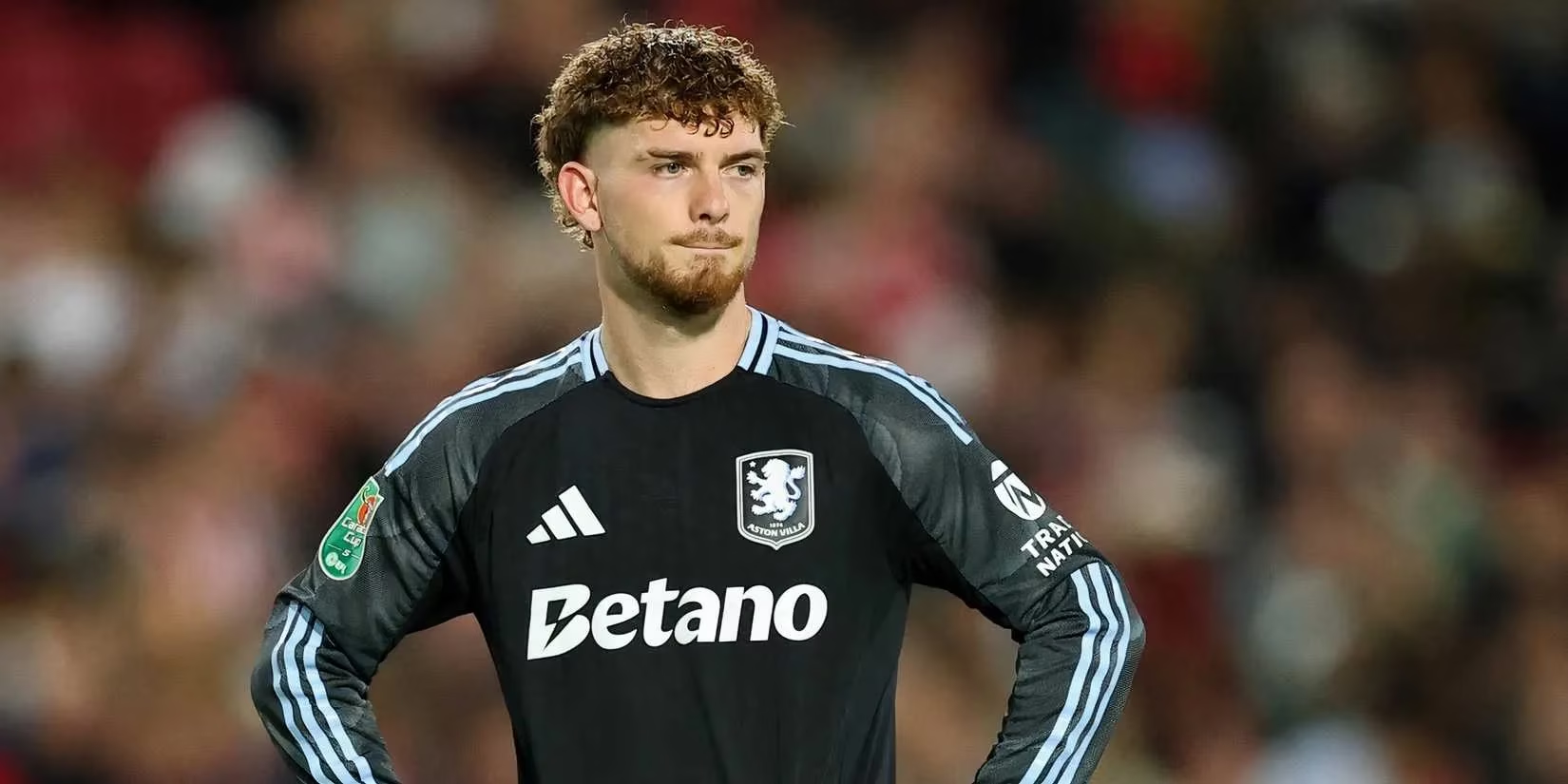
From Liverpool's perspective, the situation evolved from frustrating to fascinating. Arne Slot, the man who succeeded Jurgen Klopp and won the title in his debut season, has seen his Reds slide into mid-table mediocrity. By January 2026, Liverpool are 12th in the Premier League, and the Anfield faithful have begun looking at the fixture list through their fingers. In such turbulence, a creative engine like Elliott – a player who understands the club's DNA and thrived under old leadership – feels less like a luxury and more like a lifeline. Yet his return won't be an automatic fix. This isn't FIFA Career Mode where you can recall a loanee with a single click and watch the team chemistry bar refill. Real-life negotiations require untangling the contractual spaghetti of the initial agreement, and that takes time and legal finesse.
From where I sit, the lesson is almost folkloric: never let a loan become a hostage situation. Villa effectively borrowed a player they were afraid to use, and Liverpool lent an asset they may now desperately need back. Elliott, meanwhile, spent the autumn months as a ghost in claret and blue – present, accounted for, but never permitted to truly haunt a football match. The 22-year-old has been a victim of circumstance, caught between a rock and a financial hard place. His next chapter back at Anfield might just be the reboot both player and club need. But it will take more than a homecoming to mend the fractures showing in Liverpool's season. The guillotine has been dismantled for now, but the scars from this mismanaged deal will need some healing.
Leave a Comment
Comments