
Why Manchester United Are Right to Ignore Sergio Ramos and Chase Midfield Power
The sight of Sergio Ramos holding aloft yet another trophy has been one of football’s enduring images across two decades. Now aged 39 and a free agent after leaving Monterrey, the Spanish legend is eager to extend a playing career that already spans 22 trophy-laden years. That hunger alone would tempt many a top club. But when recent reports in Spain suggested that Manchester United had tabled an offer for Ramos, the immediate question among supporters wasn’t whether he could still cut it at the highest level—it was simply: why?
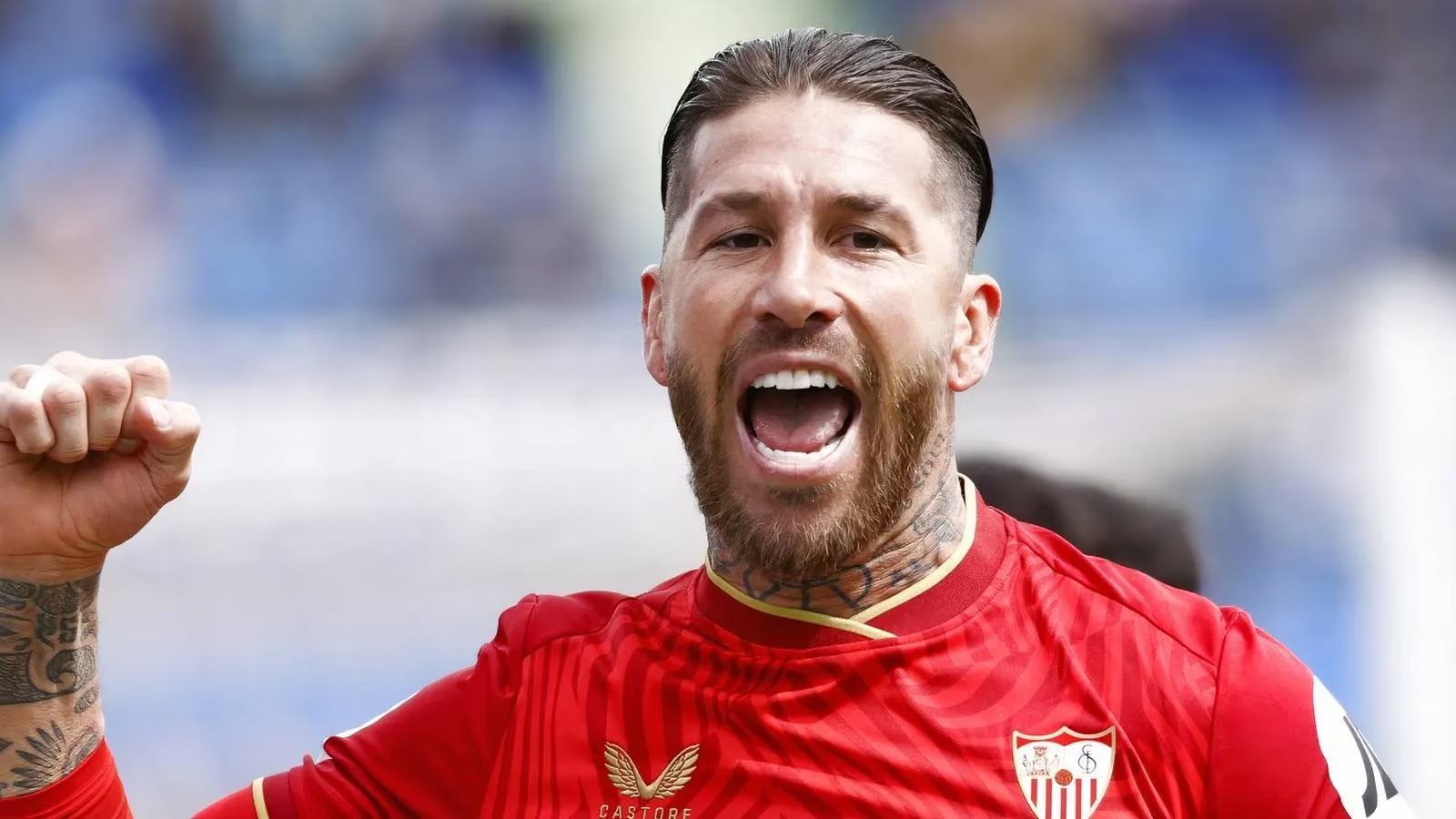
GIVEMESPORT senior reporter Fabrizio Romano has moved swiftly to pour cold water on the rumours. Despite the frenzy, there has been no contact and no offer from Old Trafford. The links, he insists, are wide of the mark. For a club that has too often been seduced by big names in the twilight of their careers, this is a heartening sign of a more disciplined transfer strategy. The Red Devils are finally looking at what they actually need, not what markets and agents push their way.
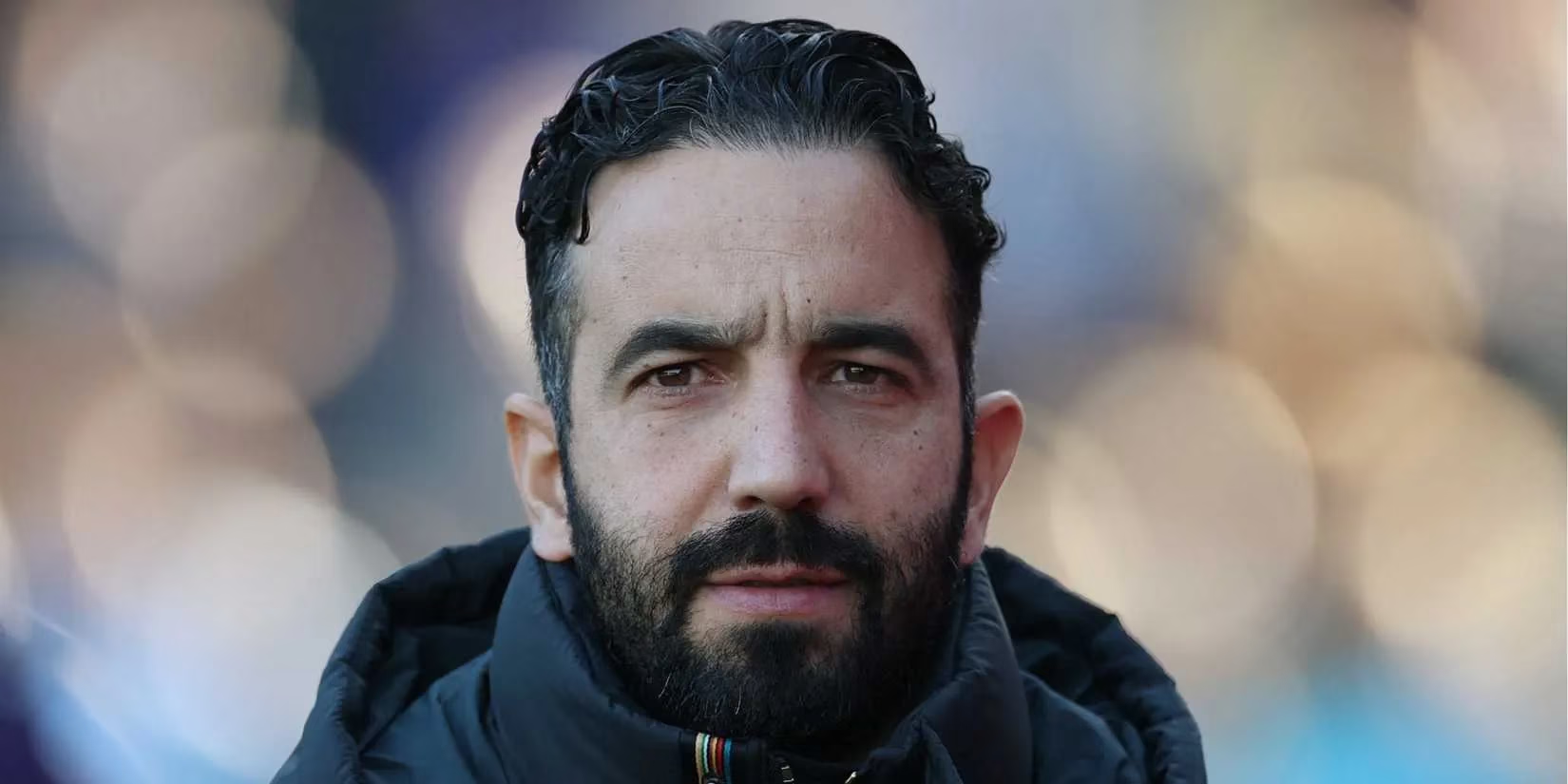
A glance at Ruben Amorim’s defensive options explains why signing a 39-year-old centre-back would be a startling move. Even with injuries biting, the depth is considerable. Harry Maguire, Lisandro Martinez, Leny Yoro, Matthijs de Ligt and emerging talent Ayden Heaven all compete for places in the Portuguese coach’s preferred back three. Luke Shaw and Noussair Mazraoui have also slotted into the system seamlessly. True, Maguire and De Ligt are currently sidelined, while Martinez has only just returned from a lengthy lay-off. Those absences may well have sparked the Ramos speculation in the first place—when any big name is unattached, agents and journalists are quick to connect the dots. But is a short-term fix to an injury crisis worth the long-term distortion of a wage structure the club has spent years trying to repair?
Ramos would undoubtedly arrive on a free transfer, yet the term is misleading. The World Cup winner’s salary expectations would land a heavy blow on United’s budget at precisely the wrong time. According to GIVEMESPORT senior correspondent Ben Jacobs, the club is planning to invest significantly in two senior midfielders during 2026. Those targets – Carlos Baleba, Elliot Anderson and Adam Wharton – all carry price tags hovering around the £100 million mark. Siphoning off a substantial wage packet for a defender staring down the last chapter of his career would simply weaken their hand in the market where it matters most.
Midfield is the glaring hole in Amorim’s XI. The current first-choice duo of Casemiro and Bruno Fernandes may boast immense pedigree, but both are deep into their thirties and cannot be relied upon as the long-term engine room. Manuel Ugarte and Kobbie Mainoo offer promise and energy, yet neither has yet cemented themselves as the untouchable heartbeat of a side chasing major honours. If United want to close the gap on the Premier League’s top two, they need a transformative presence in the middle of the park—someone who can dictate tempo, break lines and shield a defence that is already well-stocked.
That’s where Elliot Anderson enters the conversation. The Nottingham Forest midfielder has been a revelation, his blend of technical security, physicality and eye for a pass drawing comparisons with some of the league’s elite. United have reportedly made him their top summer target, and there is a belief he could be prised away for a slightly lower fee than Baleba or Wharton. He represents the kind of calculated gamble the club must take: investing in a player on an upward trajectory rather than one seeking a final payday.
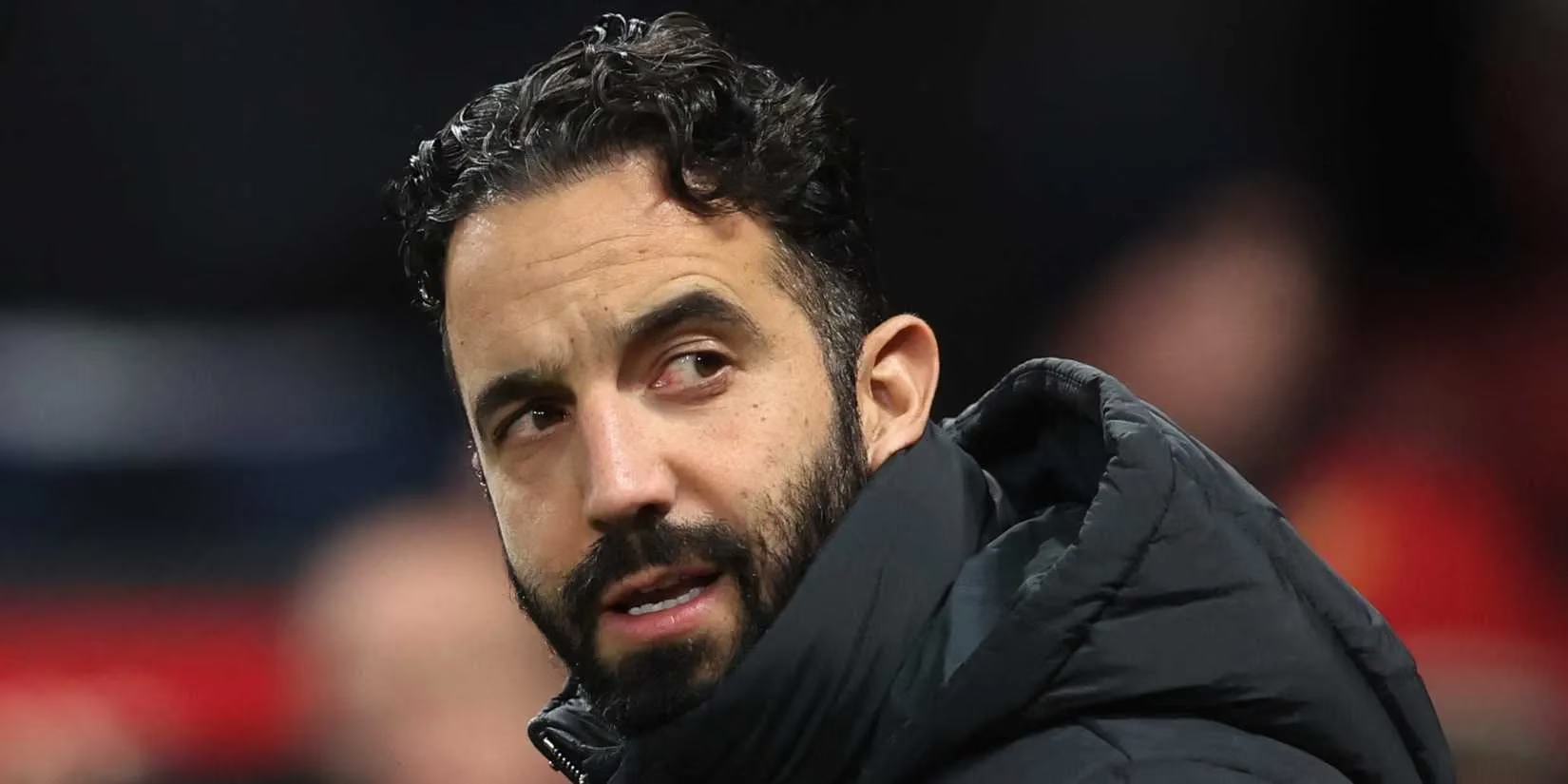
It isn’t just about this season, either. The wider project under Amorim is slowly taking shape. Monday’s thumping 4-1 win at Wolverhampton Wanderers lifted spirits and gave the table a healthier sheen, but the real examinations are looming. A run of fixtures against Bournemouth, high-flying Aston Villa and Newcastle United will provide a genuine litmus test of the team’s progress. Can United impose their newly defined style on the kind of opponents that have so often exposed their soft centre? Those three matches will tell us far more about their ceiling than any short-term defensive addition ever could.
Critics still question the aesthetics of Amorim’s football and the consistency of his results. Yet, by ignoring the allure of a Sergio Ramos swansong and focusing ruthlessly on midfield reinforcement, Manchester United are sending a clear message: nostalgia and star power no longer drive their decision-making. The next chapter is being written around athleticism, dynamism and growth. For a fanbase starved of clear direction for the best part of a decade, that shift in approach is worth far more than a fleeting glimpse of a legendary defender in red.
So, while the image of Ramos marshalling the backline at Old Trafford may quicken the pulse of the romanticist, the pragmatism steering the current regime deserves applause. If the club genuinely wants to challenge again, it must resist the temptation of quick fixes and instead build from the centre circle forward. The real question isn’t whether Sergio Ramos could still do a job – it’s whether Manchester United are finally ready to do their own.
Leave a Comment
Comments